
Data Center Environmental Standards
Designing a data center starts with creating ideal operating conditions for the equipment inside. Temperature, humidity, airflow and environmental control directly influence performance, reliability and long‑term uptime.
Designers developed four categories to standardize those expectations. Tier I is the simplest, while Tier IV facilities meet the most rigorous requirements. Aligning your environment with the appropriate tier ensures your equipment room delivers the resilience and performance your operation depends on.
The Environmental Toll of Modern Data Centers
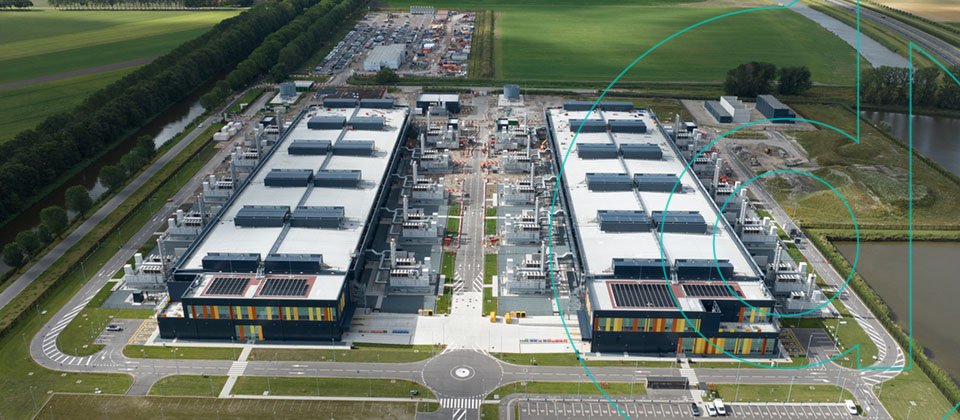
Data centers are the backbone of the digital world, powering everything from social media to business operations and governmental functions. However, this constant flow of information comes at a high environmental cost. Data centers consume vast amounts of electricity to keep servers running and maintain optimal temperatures through complex cooling systems.
Most of this energy derives from fossil fuels, making centers responsible for a significant portion of global carbon emissions. A research team at Cornell recently estimated that the current growth of AI will increase the already substantial environmental toll of massive data centers, potentially resulting in the release of between 24 and 44 million metric tons of carbon dioxide into the atmosphere annually by 2030.
Beyond energy consumption, data centers also generate immense amounts of heat and require large volumes of water for cooling, further straining local resources. Some studies have suggested that large data centers can use up to 5 million gallons of water daily.
Rapid growth in digital services and cloud computing has caused the demand for new data centers to soar. Without rigorous environmental standards, these facilities will continue contributing to air and water pollution, resource depletion and global climate change.
Adopting and enforcing environmental standards goes beyond regulatory requirements and corporate responsibility. It is essential for minimizing the sector’s ecological footprint and ensuring a sustainable digital future. Recognizing and addressing these challenges is vital for creating a greener and more efficient data center industry.
Data Center Environmental Controls
Environmental controls are essential for maintaining the safety, reliability and performance of data center infrastructure. By implementing target solutions for data center temperature and humidity standards and fire, electricity and physical security, operators can prevent costly damage, ensure data integrity and comply with industry standards ofor optimal facility management.
You have several options for regulating the environment in a data center.
- Temperature controls: Temperature control starts with hardware. Servers contain fans and internal cooling mechanisms designed to prevent overheating. Depending on your data center’s location, you may benefit from additional temperature controls, such as chillers, hot and cold-aisle containment and airflow management.
- Humidity controls: Airflow management regulates temperature and humidity. Excess moisture in the air can generate condensation that damages hardware and other equipment. Dry conditions are also an issue, as they increase the risk of static electricity.
- Fire suppression: Fire suppression and protection should be part of your data center’s security measures. Fire can destroy servers and the data they store. Since a data center is full of racks and servers, the fire suppression system you use needs to put out fires without causing extensive damage. A clean agent and a dry pipe sprinkler system are two examples of appropriate fire suppression systems for data centers.
- Electricity monitoring: Dry conditions encourage static electricity buildup, increasing the risk of power surges. Along with maintaining proper data center humidity, continuous electrical monitoring gives real‑time visibility into voltage changes so you can respond quickly and prevent equipment damage.
- Physical security systems: Your data center needs security systems that protect it from the effects of natural and human-made disasters. Options include disaster recovery solutions and surveillance systems that control who can access your facility and its equipment.
Data Center Environmental Standards
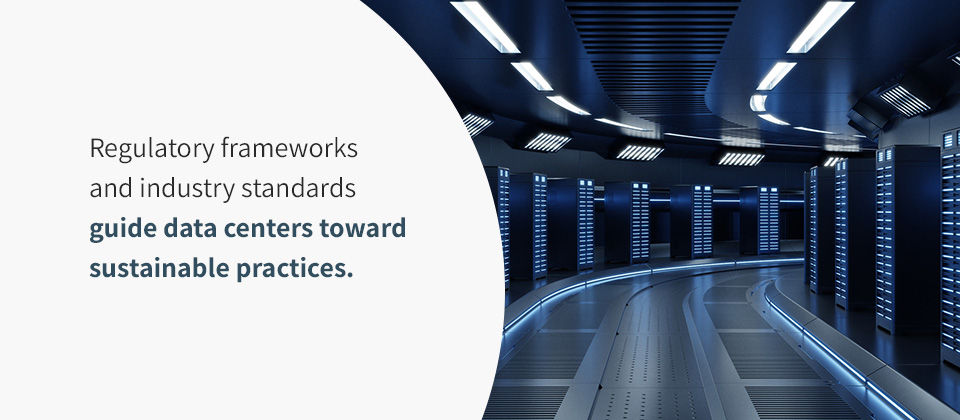
Regulatory frameworks and industry standards guide data centers toward sustainable practices. Familiarity with these guidelines enables organizations to meet compliance goals, enhance operational efficiency and strengthen environmental stewardship as the demand for reliable digital infrastructure and responsible resource management continues to grow.
The American Society of Heating, Refrigerating and Air-Conditioning Engineers
ASHRAE publishes data center environmental control standards. For instance, ASHRAE 90.4 specifically addresses the energy efficiency of data centers, setting requirements for building design, power distribution, cooling systems and electrical infrastructure to ensure lower energy consumption and efficient performance.
ASHRAE’s Technical Committee 9.9 also offers guidelines that provide recommended temperature and humidity ranges for data center operations, ensuring IT equipment safety while allowing for greater efficiency and flexibility in cooling methods.
Meeting ASHRAE particulate standards requires professional data center cleaning using HEPA filtration and anti-static methods, with before-and-after environmental reporting that documents compliance.
International Organization for Standardization
ISO data center standards enhance energy efficiency, security and performance. ISO 50001 provides a framework for organizations to develop policies for more efficient energy use, set targets and objectives and use data to make informed choices. This standard aims for continual improvement.
ISO 14001 discusses environmental management systems that reduce environmental impact, comply with regulations and enhance environmental performance.
U.S. Department of Energy Standards
DOE created the Federal Energy Management Program to offer reference materials, guidance and resources to help businesses meet federal requirements and laws. Data centers can use this information to understand energy-efficiency mandates, benchmarks and best practices.
DOE also created a voluntary program in which data center operators can commit to deploying leading energy-efficiency best practices and achieving specific, measurable energy-use reduction targets, with DOE providing guidance and resources. Though it is not a requirement, participating in the Better Buildings Challenge program can highlight a brand’s commitment to more sustainable practices.
Leadership in Energy and Environmental Design
LEED evaluates new and existing data centers on criteria such as energy usage, water efficiency, indoor environmental quality and sustainable site development. Achieving LEED certification demonstrates a facility’s commitment to environmental responsibility. LEED v4 incentivizes higher scoring and certification levels to achieve improved environmental and economic impacts.
Energy Star Certifications
Energy Star recognizes data centers and IT equipment that meet strict energy performance benchmarks. Certified facilities and equipment consume less power, reduce greenhouse gas emissions and lower operating costs without compromising performance.
Emerging Technologies and Best Practices
As environmental standards evolve, data centers increasingly use new technologies and innovative practices to minimize their ecological impact while maintaining reliability. Here are some rising trends to note.
- Adoption of liquid cooling systems: Liquid cooling is becoming an increasingly popular solution for high-density racks. This solution uses less energy and water compared to traditional air-based cooling. The integration of artificial intelligence and machine learning enables real-time optimization of power and cooling resources, further improving efficiency.
- Embracing renewable energy sources: Many organizations invest in renewable power sources to conserve energy in power-hungry data centers. On-site installations and green energy purchasing agreements allow facilities to reduce reliance on fossil fuels and switch to eco-friendly solar and wind. Modular data center designs allow for flexible scaling and improved resource management, avoiding overprovisioning and unnecessary energy use.
- Following best practices: Standards such as hot and cold aisle containment, predictive maintenance and regular energy audits ensure facilities operate within approved limits. Emphasizing transparency and reporting, forward-thinking data centers progress to meet and exceed the requirements set by leading environmental standards.Follow Environmental Regulations for Data Centers With Help From DataSpan
Proactively future-proof your operations and elevate your sustainability efforts by partnering with experts who understand evolving regulations and can tailor strategies to your unique environment. DataSpan helps your organization protect its data and follow environmental standards. We’re vendor-agnostic and offer custom-made solutions to meet your needs.
Our environmental monitoring solutions deliver superior protection and high performance, so you can increase visibility, reduce downtime and increase efficiency. Contact us today to learn more.

Follow Environmental Regulations for Data Centers With Help From DataSpan
Proactively future-proof your operations and elevate your sustainability efforts by partnering with experts who understand evolving regulations and can tailor strategies to your unique environment. DataSpan helps your organization protect its data and follow environmental standards. We’re vendor-agnostic and offer custom-made solutions to meet your needs.
Our environmental monitoring solutions deliver superior protection and high performance, so you can increase visibility, reduce downtime and increase efficiency. Contact us today to learn more.